Sculptor • Animator • Director of Computer Graphics • Photographer • Actor
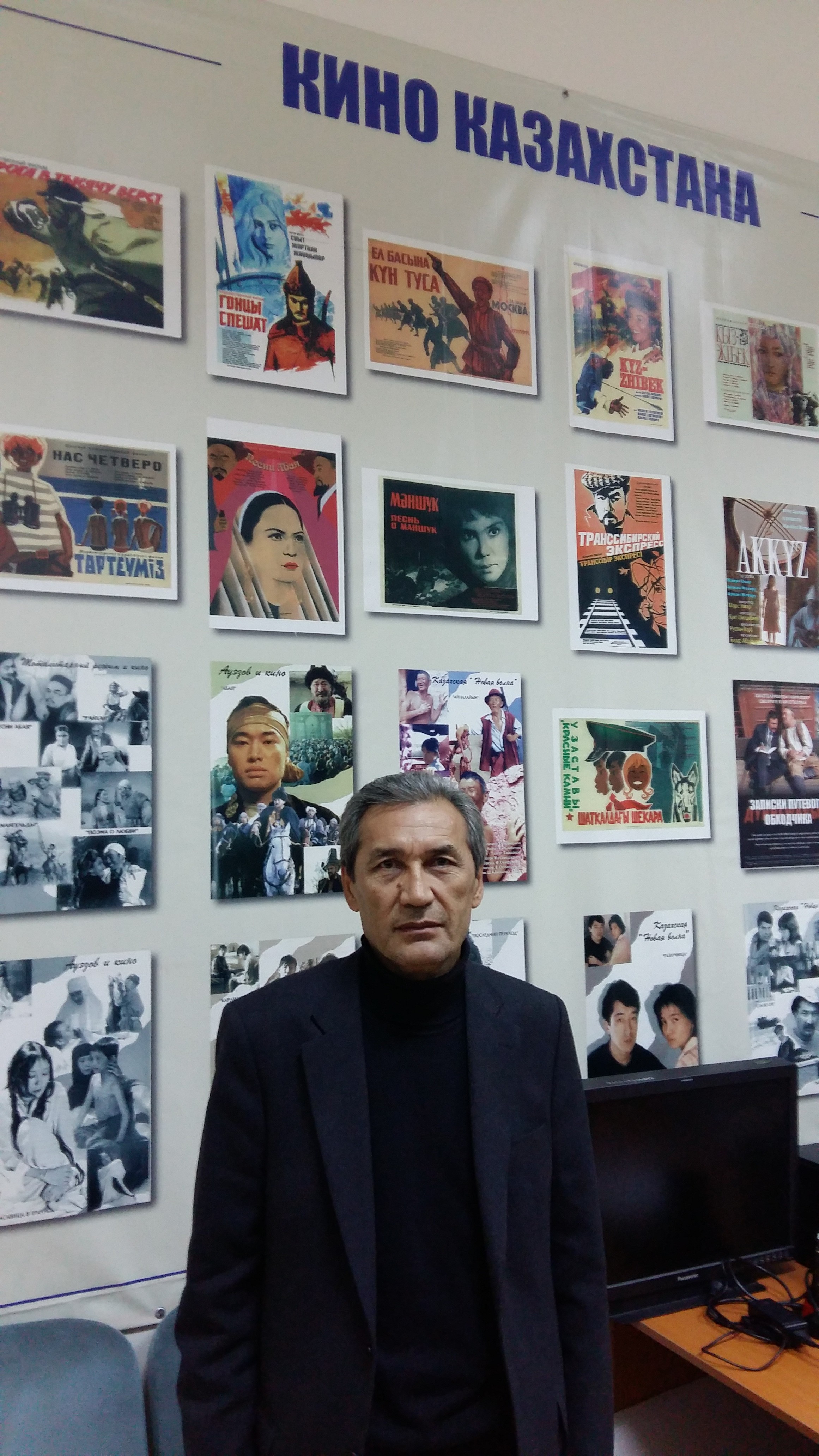
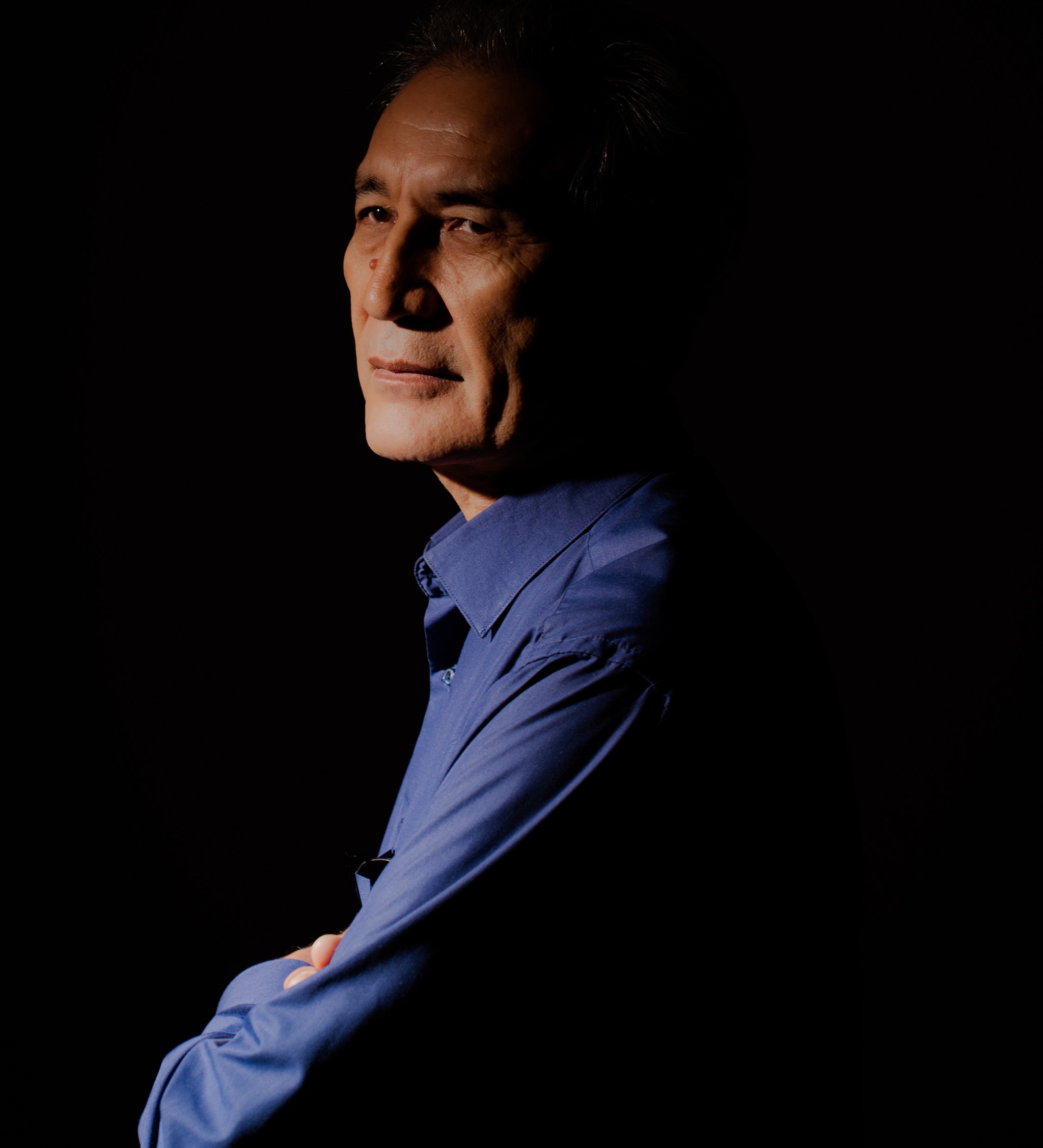
Berik Zhunusbek
The Artist of Many Faces
Sculptor • Animator • Director of Computer Graphics • Photographer • Actor
There are few figures in Kazakhstan's artistic and cinematic history who can embody the essence of creative polymathy as fully as Zhunusbek Berik. His life and work span across mediums and decades, drawing connections between tradition and technology, folklore and futurism, the deeply personal and the widely historical. Every work — whether drawn, sculpted, animated, or acted — becomes a thread in a much larger cultural tapestry.


Early Years and Education (1982–1994)


In the early 1980s, Berik Zhunusbek began his journey at the legendary Shaken Aimanov Kazakhfilm Studio. He immersed himself in the meticulous craft of animation, starting as a paint artist and cleanup artist before becoming a key animator. These foundational years honed not only his drawing skills but also instilled a deep sense of cinematic rhythm and visual storytelling.

By the early 1990s, Berik had already made significant contributions to celebrated Kazakh animated films such as Dacha Koketaya, Qanbak Shal, The Acorn and the Violin, and Kotyr Torgay. These films would go on to receive multiple prestigious awards, establishing him as a central figure in the Kazakh animation scene.

In 1994, he held his first solo exhibition at the House of Cinema. The show featured watercolors, sculpture, and sketches for animated and live-action films—offering a rare glimpse into his multifaceted creative universe.
Crossing into Cinema and Design (1994–2000)
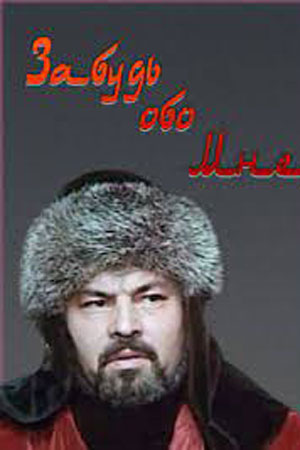
1994 marked a major turning point: Berik was invited to work as the production designer on Abylkaiyr Khan, a historical feature film that garnered critical acclaim and remains relevant to this day. That same year, he took on dual roles in documentary and television productions—as both an art director and actor, notably portraying a dervish in the docu-series The Kazakhs.

In the mid-90s, he entered the digital frontier, creating Kazakhstan's first 2D and 3D animation bumpers and promo reels for television studios such as Dala-TV. His involvement in the President's Television and Radio Complex, including developing its official emblem and creating a visionary 7-minute animated film Strategy 2030, signaled his mastery of merging traditional art with cutting-edge technology.

He also worked on numerous television intros, commercial clips, and even the first CGI effects for a children's feature film, The Magic Sponsor. As an actor, he took part in commercials and presidential campaigns, blending his visual artistry with live performance.
Visual Leadership in Print and Broadcast (2000–2007)
The 2000s were defined by Berik’s leadership in visual communication and editorial art direction. He designed the complete branding and broadcast package for Kazakhstan-1, the national television channel, establishing a clean, modern visual language that became instantly recognizable. Simultaneously, he served as an art editor and designer for a wide range of publications, including Aygolek, Gulstan, and AIT. He trained young illustrators, organized layouts, and curated visual storytelling across magazines and publishing houses such as Almaty-Kitap and Kazakhfilm. Berik’s art remained central to his identity. In 2016, he held a personal exhibition in Karaganda titled Dedication to My Father, featuring miniature sculptures, graphics, and a 29-minute film chronicling his journey across animation, cinema, and visual effects.
Animation as Cultural Heritage (2007–2013)
In 2007, Berik returned to animation with renewed vision. He began developing Yertostik, a full-length ethnographic animated feature rooted in Kazakh folklore, as well as a preschool television series Balyk Baksha. These projects aimed to reintroduce cultural heritage to a new generation through charming characters and vibrant storytelling.

Beyond the studio, he shared his experience with young filmmakers. From 2010 to 2011, Berik served as Head of the Animation Department at T. Zhurgenov Academy of Arts. Later, he became the leading computer graphics expert at Kazakhfilm's animation division, contributing to modern animated projects and helping bridge traditional drawing with digital execution.

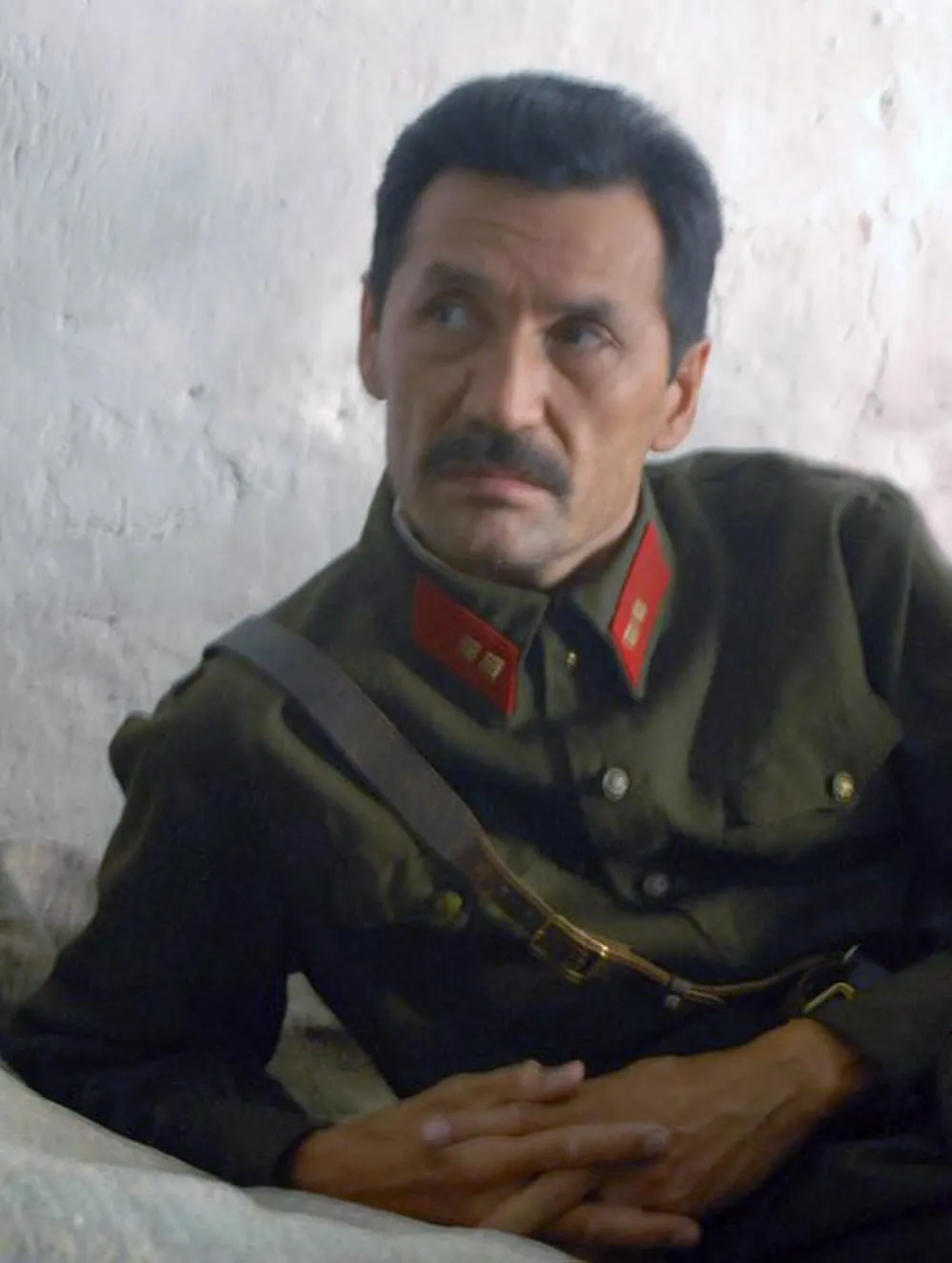
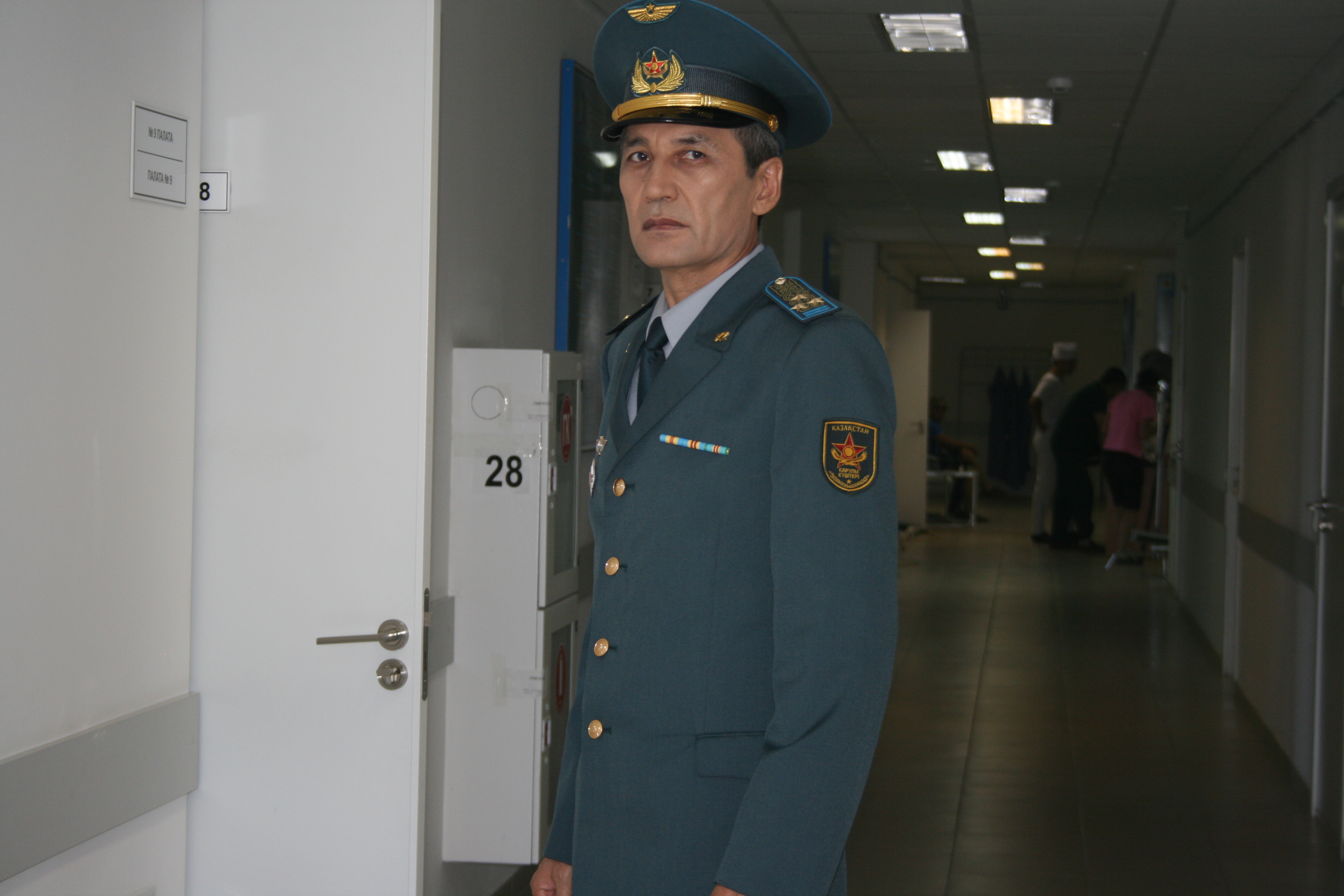
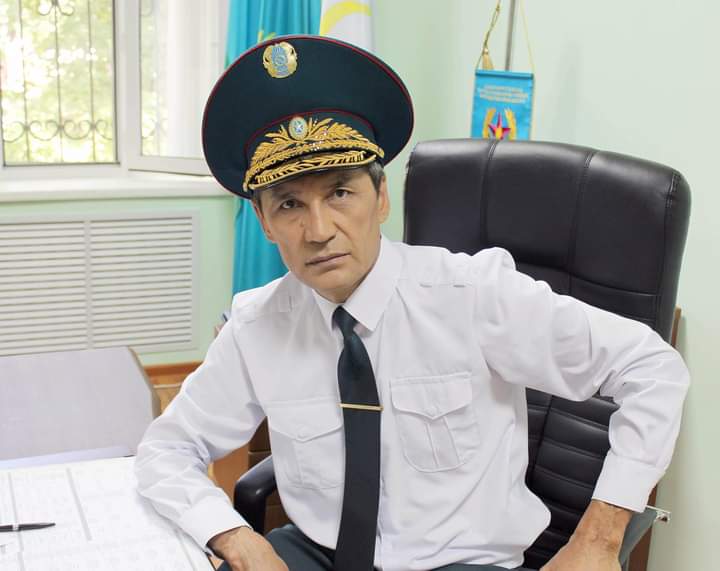
In 2013, Berik returned to the screen as actor Abao Abroev in the television drama Officer’s Honor, reminding audiences of his range as a visual artist.
Mentorship and Continued Exploration (2014–Present)
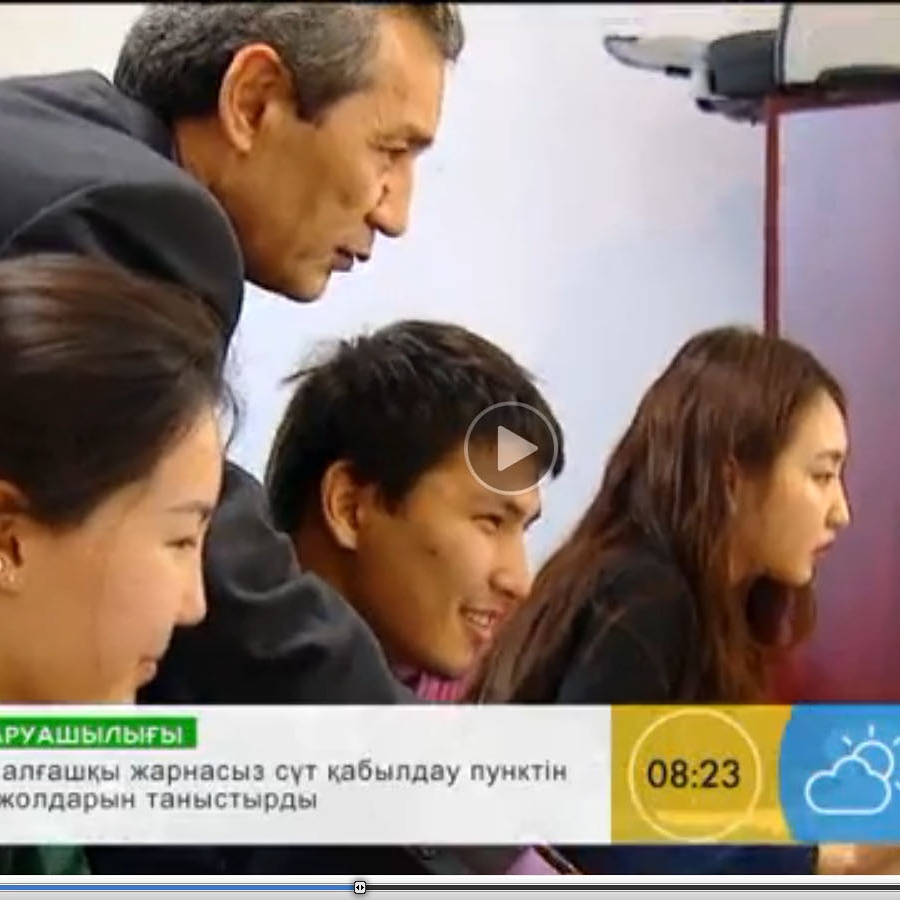
Berik's dedication to education deepened in 2014 when he joined Kazakh National University of the Arts (KazNUI) as Senior Lecturer in Animation. Invited by the university’s rector, Aiman Mussakhajayeva, he brought decades of industry knowledge to the classroom.

On December 19, 2014, he held another major exhibition showcasing sculpture, graphics, photography, and print design, accompanied by a curated 29-minute film that narrated his life’s work—from animation reels to film clips and commercial shorts.

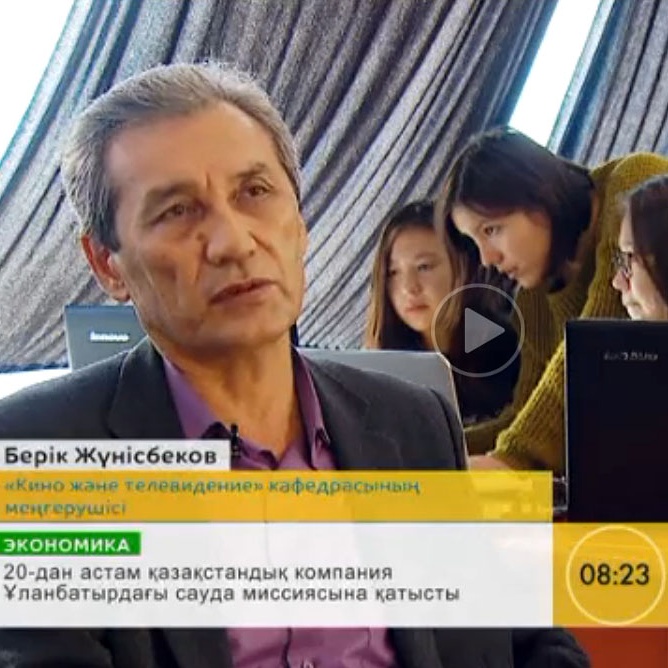
From 2016 to 2017, he served as Head of the "Film and TV" department at KazNUI and now continues as Associate Professor. His teaching integrates classical disciplines with modern software, encouraging students to build work that is both rooted in identity and open to innovation.
Legacy and Artistic Philosophy
Today, Berik Zhunusbek is regarded as a polymath in Kazakhstan’s creative world—a bridge between the analog artistry of the 20th century and the digital narrative of the 21st. His work spans across borders, with pieces held in private and public collections in New York, England, France, Norway, and beyond.
Through sculpture, watercolor, animation, film, and education, he continues to build a world where image, memory, and emotion meet.
— Berik Zhunusbek
Quote icon
For me, art is not only a profession—it is a conversation with time, with memory, with the spirit of place.